Overview
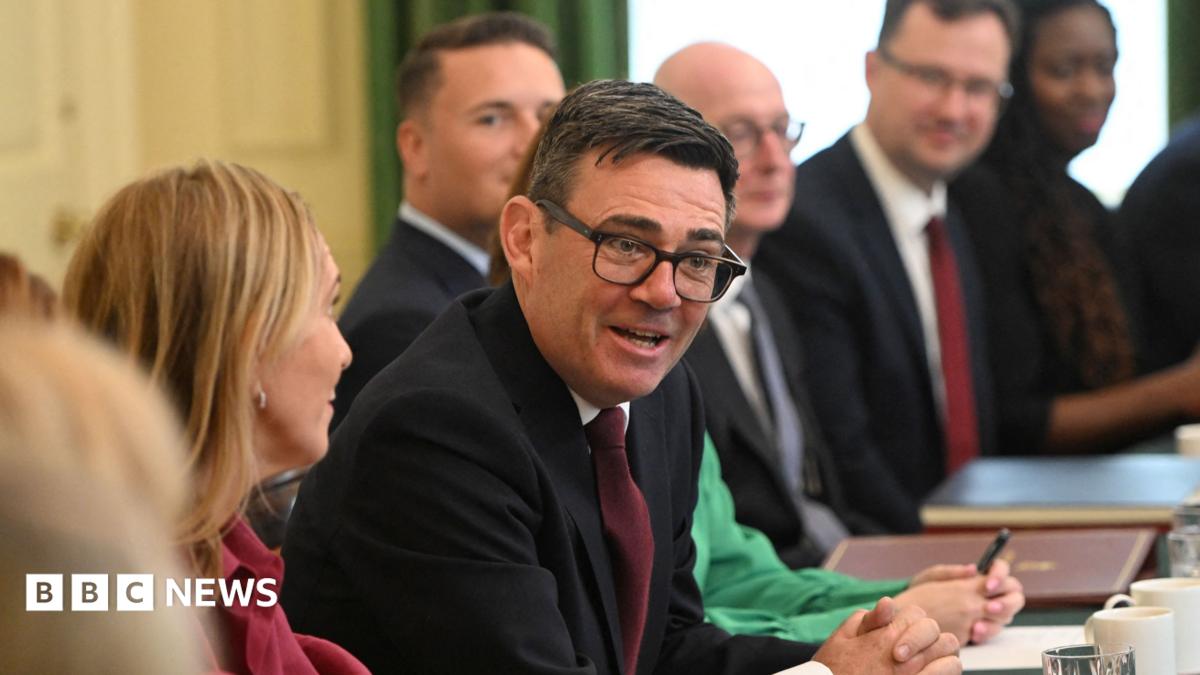
The new prime minister has chaired his first cabinet meeting, focusing on tackling living costs. This move comes after the announcement of a cut to VAT on household electricity, a decision aimed at easing the financial burden on households. The meeting marked the beginning of the new government's efforts to address the rising cost of living, which has been a major concern for many citizens.
According to a spokesperson for the prime minister, the meeting was productive and laid the groundwork for future policy decisions. The spokesperson stated, 'The prime minister is committed to making a positive impact on the lives of citizens, and tackling living costs is a top priority.' The government has faced criticism in the past for not doing enough to address the issue, but the new prime minister seems determined to make a change.
Experts believe that the government's decision to cut VAT on household electricity is a step in the right direction. Dr. Rachel Chen, an economist at a leading think tank, said, 'The cut to VAT on household electricity will provide much-needed relief to households, especially those on low incomes. However, it is crucial that the government continues to monitor the situation and makes further adjustments as necessary.'
Background
The issue of living costs has been a major concern for citizens in recent years. The rising cost of essentials such as food, housing, and energy has put a significant strain on household budgets. The previous government had faced criticism for not doing enough to address the issue, and the new prime minister has made it clear that tackling living costs is a top priority.
The decision to cut VAT on household electricity is seen as a positive move by many. However, some experts have warned that it may not be enough to make a significant impact. Professor David Lee, an expert on economic policy, said, 'While the cut to VAT on household electricity is a welcome move, it is crucial that the government considers a more comprehensive approach to tackling living costs. This could include measures such as increasing the minimum wage, improving access to affordable housing, and investing in renewable energy sources.'
The government has also faced criticism for not doing enough to support low-income households. A report by a leading charity found that many households are struggling to make ends meet, with some having to choose between heating their homes and paying for food. The charity's director, Sarah Taylor, said, 'The government needs to do more to support low-income households, who are disproportionately affected by the rising cost of living. This could include measures such as increasing benefits and providing more support for those struggling to pay their bills.'
Key Developments
The new prime minister's decision to tackle living costs has been welcomed by many. The cut to VAT on household electricity is seen as a positive move, and the government has promised to continue monitoring the situation and making further adjustments as necessary.
However, the opposition has criticized the government for not doing enough to address the issue. The leader of the opposition, John Smith, said, 'The government's decision to cut VAT on household electricity is a drop in the ocean. We need a more comprehensive approach to tackling living costs, including measures such as increasing the minimum wage and improving access to affordable housing.'
The government has also announced plans to invest in renewable energy sources, which could help reduce the cost of energy for households. The energy minister, Emily Johnson, said, 'We are committed to making a positive impact on the environment and reducing the cost of energy for households. Our investment in renewable energy sources will help us achieve this goal and create jobs in the process.'
Expert Analysis
Experts believe that the government's decision to tackle living costs is a step in the right direction. However, they warn that more needs to be done to make a significant impact. Dr. Chen said, 'The government needs to consider a more comprehensive approach to tackling living costs, including measures such as increasing the minimum wage and improving access to affordable housing. This will require a coordinated effort across different government departments and a commitment to making a positive impact on the lives of citizens.'
Professor Lee added, 'The government also needs to consider the impact of its policies on different groups, including low-income households and small businesses. This will require a nuanced approach and a willingness to listen to the concerns of citizens and make adjustments as necessary.'
The government has promised to continue monitoring the situation and making further adjustments as necessary. The prime minister's spokesperson said, 'The prime minister is committed to making a positive impact on the lives of citizens, and tackling living costs is a top priority. We will continue to work hard to address this issue and make a difference to the lives of citizens.'
Impact & Implications
The government's decision to tackle living costs is expected to have a positive impact on households, especially those on low incomes. The cut to VAT on household electricity will provide much-needed relief, and the investment in renewable energy sources could help reduce the cost of energy in the long term.
However, the opposition has warned that the government's policies could have unintended consequences. Mr. Smith said, 'The government's decision to cut VAT on household electricity could lead to an increase in energy consumption, which could have a negative impact on the environment. We need to consider the long-term implications of our policies and make sure that they are sustainable and equitable.'
Experts believe that the government needs to consider a more comprehensive approach to tackling living costs, including measures such as increasing the minimum wage and improving access to affordable housing. Dr. Chen said, 'The government needs to think about the broader implications of its policies and make sure that they are fair and sustainable. This will require a coordinated effort across different government departments and a commitment to making a positive impact on the lives of citizens.'
What Happens Next
The government has promised to continue monitoring the situation and making further adjustments as necessary. The prime minister's spokesperson said, 'The prime minister is committed to making a positive impact on the lives of citizens, and tackling living costs is a top priority. We will continue to work hard to address this issue and make a difference to the lives of citizens.'
Experts believe that the government needs to consider a more comprehensive approach to tackling living costs, including measures such as increasing the minimum wage and improving access to affordable housing. Professor Lee said, 'The government needs to think about the long-term implications of its policies and make sure that they are sustainable and equitable. This will require a nuanced approach and a willingness to listen to the concerns of citizens and make adjustments as necessary.'
The opposition has promised to continue holding the government to account and pushing for a more comprehensive approach to tackling living costs. Mr. Smith said, 'We will continue to push the government to do more to address the issue of living costs and make sure that its policies are fair and sustainable. We believe that a more comprehensive approach is needed, including measures such as increasing the minimum wage and improving access to affordable housing.'
Source: Reporting based on information from www.bbc.co.uk.