India Unveils Ambitious ₹5,000 Crore Sports Mission: Grassroots to Global Podium Push
New Delhi today announced the National Sports Excellence Mission (NSEM), a transformative ₹5,000 crore initiative over five years. Aiming to revolutionise Indian sports from grassroots discovery to elite performance, it targets a significant medal haul in upcoming international events and fosters a

New Delhi, Delhi – In a landmark decision poised to reshape the landscape of Indian sports, the Union Government today unveiled the 'National Sports Excellence Mission' (NSEM), a monumental ₹5,000 crore initiative spanning the next five years. Termed a 'game-changer' by officials, the mission aims to create a comprehensive, cradle-to-podium pathway for athletes, focusing intensely on grassroots talent identification, world-class infrastructure, enhanced athlete support, and a performance-driven culture to propel India onto the global sporting elite.
Union Minister for Youth Affairs and Sports, Shri Anurag Thakur, while addressing a press conference at Vigyan Bhawan, articulated the vision behind NSEM. “For too long, our sporting potential has been hampered by fragmented efforts and inconsistent support,” Shri Thakur stated. “The NSEM is our unwavering commitment to every aspiring Indian athlete, from the remotest village to the biggest city. It is designed to identify talent early, nurture it scientifically, and equip our sportspersons with every resource needed to excel on the international stage, ultimately aiming for a significant jump in our Olympic and Paralympic medal counts.”
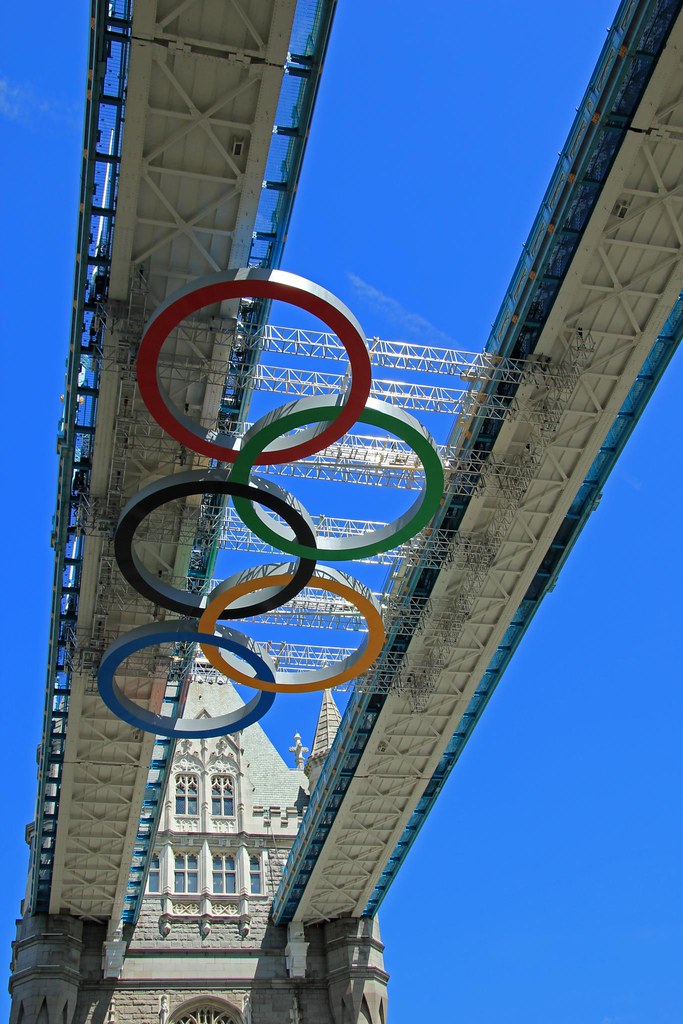
The announcement comes amidst growing aspirations for India to become a major sporting power, especially with the nation considering a bid for the 2036 Olympic Games. The NSEM seeks to lay a foundational bedrock for such ambitions, moving beyond episodic triumphs to systemic sporting success.
Key points
- ₹5,000 Crore Outlay: A substantial financial commitment over five years (FY 2024-25 to FY 2028-29) dedicated to transforming India's sports ecosystem.
- Grassroots Talent Identification: Launch of the 'Bharat Khel Khoj' programme, an extensive nationwide scouting drive utilising mobile talent identification units and annual inter-school and inter-district competitions to unearth talent from Tier-2, Tier-3 cities, and rural areas.
- State-of-the-Art Infrastructure: Establishment of 100 new 'High-Performance Training Centres' (HPTCs) across the country, specialising in various sports, equipped with modern facilities, sports science labs, and residential academies.
- Comprehensive Athlete Support: Enhanced provisions for scholarship, nutrition, medical care, psychological counselling, foreign exposure, and post-career transition support for identified elite athletes.
- Performance-Linked Funding: Introduction of a rigorous performance-based funding model for National Sports Federations (NSFs), linking financial grants directly to their athlete development programmes, competition results, and governance standards.
- Coach Development & Sports Science: Massive investment in training and upskilling 50,000 new grassroots coaches and integrating cutting-edge sports science disciplines across all training levels.
Detailed specifics of the mission highlight an unprecedented focus on data-driven decision-making and accountability. The 'Bharat Khel Khoj' programme will deploy dedicated talent scouts in collaboration with state sports departments and educational institutions. This bottom-up approach aims to capture talent as early as 8-10 years of age, ensuring a long-term development pipeline. “We are not just looking for raw talent; we are establishing a scientific methodology to identify potential, track progress, and provide tailored development plans from a very young age,” explained Smt. Ritu Singh, Secretary, Ministry of Youth Affairs and Sports. “Our goal is to create a seamless transition for promising young athletes from regional centres to national academies and ultimately, to international competitive circuits.”
The 100 new HPTCs are envisioned as hubs of excellence, each focusing on 2-3 specific sports where India has a strong tradition or emerging potential, such as athletics, wrestling, boxing, shooting, archery, badminton, and hockey. These centres will offer full-time residential programmes, integrating academic education with intensive sports training, ensuring athletes do not have to choose between their studies and their sporting careers. Partnerships with premier educational institutions are also being explored to facilitate this dual-career pathway.
For elite athletes, NSEM promises an elevated level of support. The existing Target Olympic Podium Scheme (TOPS) will be integrated and significantly expanded under the NSEM umbrella, providing personalised support plans, access to top international coaches, dedicated sports psychologists, nutritionists, physiotherapists, and advanced recovery facilities. A new 'Athlete Welfare Fund' will also be established to provide financial security and medical aid to athletes, including those facing career-ending injuries or requiring support in retirement.
The performance-linked funding for NSFs is a critical component designed to professionalise sports administration in the country. Federations will be required to submit detailed annual development plans, including talent pipelines, coaching strategies, and competition calendars, against which their funding will be disbursed. “This is about fostering a culture of accountability and excellence,” Dr. Suresh Nambiar, President of the Indian Olympic Association (IOA), remarked. “The IOA welcomes this move as it will push federations to be more transparent, efficient, and results-oriented, directly benefiting our athletes.”
Background
India has a history of sporadic sporting achievements, often driven by individual brilliance rather than a robust systemic framework. While initiatives like 'Khelo India' have successfully boosted grassroots participation and 'TOPS' has provided crucial support to elite athletes, a comprehensive, integrated approach has long been missing. The need for a cohesive national sports policy gained urgency following the introspection after the Tokyo Olympics and the Commonwealth Games, highlighting gaps in infrastructure, coaching quality, and sports science integration. Furthermore, India’s burgeoning youth population and growing economic strength have underscored the potential for the nation to become a significant global sporting force. The NSEM represents a culmination of insights drawn from various stakeholders and international best practices, aiming to rectify these long-standing issues.
What it means
The National Sports Excellence Mission holds the potential to be truly transformative. It signifies a long-term, sustained commitment from the government to sports, moving beyond cyclical interest. By focusing on grassroots, it aims to democratise sports, making opportunities accessible to a wider demographic, potentially unearthing hidden gems from underprivileged backgrounds. The emphasis on sports science, high-performance centres, and athlete welfare could significantly improve India's competitive edge, reducing reliance on individual effort and building a predictable pipeline of talent. Economically, it could spur growth in the sports industry, creating jobs in coaching, sports management, infrastructure development, and sports science. Culturally, a rise in sporting success often fuels national pride and encourages healthier lifestyles among the populace.
“This policy has the potential to fundamentally alter India’s sporting trajectory,” noted Dr. Vikram Sharma, Director of the Centre for Sports Policy Research. “The sheer scale of the investment, coupled with the comprehensive approach from talent discovery to post-career support, is unprecedented. If implemented effectively, we could see India consistently vying for top honours in major international competitions, rather than celebrating occasional breakthroughs.”
Reactions
The announcement has largely been met with optimism and cautious enthusiasm from across the sporting fraternity. Former Olympian and renowned athletics coach, Ms. Anjali Devi, expressed her profound hope. “In my time, we often trained with limited resources, relying heavily on sheer grit. This mission, with its focus on science, nutrition, and advanced training, is a dream come true for the next generation. It’s the kind of systemic change we’ve needed for decades.”
Many National Sports Federations have welcomed the increased funding prospects, though some acknowledge the stringent performance criteria will demand greater transparency and accountability. A senior official from a prominent boxing federation, requesting anonymity, stated, “The pressure will be immense to deliver results, but it’s a positive pressure. It will force us to professionalise our operations and truly focus on athlete development.”
Concerns, however, remain regarding the execution and the potential for bureaucratic bottlenecks or fund misappropriation. Dr. Sharma added a cautionary note: “The success of NSEM will hinge entirely on its implementation. We need robust monitoring mechanisms, independent auditing, and a governance structure that is agile and free from political interference. The vision is grand, but the devil, as always, will be in the details of execution.”
What happens next
The Ministry of Youth Affairs and Sports is expected to constitute a high-level steering committee within the next two weeks to oversee the implementation of the NSEM. Detailed guidelines for state sports departments and NSFs on funding allocation, talent identification protocols, and infrastructure development standards will be released shortly thereafter. The 'Bharat Khel Khoj' programme is slated to commence its pilot phase in select districts by early next fiscal year (April 2025), with a full nationwide rollout planned by the end of 2025. Tenders for the construction and upgrade of the 100 HPTCs will be floated over the next 12-18 months. The coming months will be crucial for laying the groundwork for what the government hopes will be India’s greatest sporting revolution.
Source: Toofan Express News