Cricket's Uneven Pitch: States Race for Dominance Amidst Widening Disparities
India's cricketing landscape is undergoing a significant transformation, with states aggressively investing in infrastructure and talent development. While traditional strongholds maintain their dominance, emerging regions are challenging the status quo, creating both opportunities and stark dispari
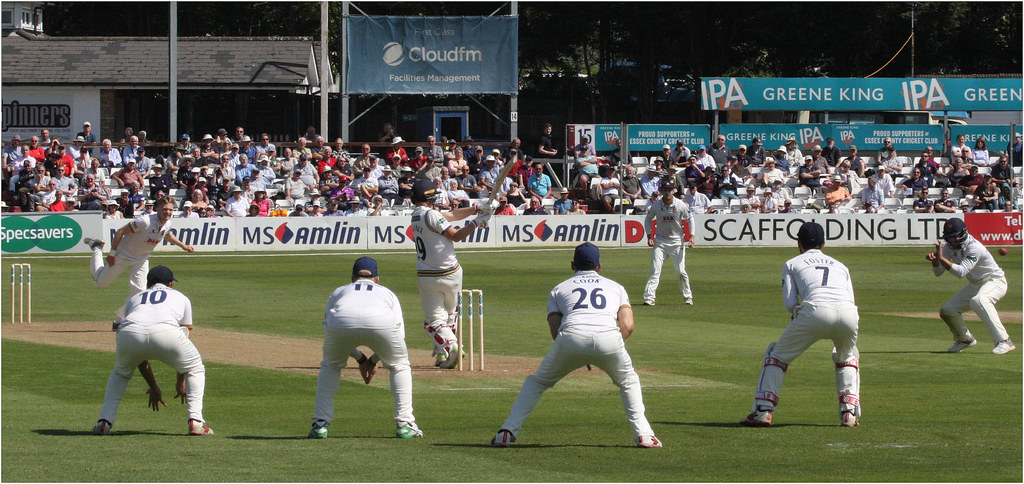
Bengaluru, Karnataka – India’s cricketing landscape is witnessing a dynamic shift, with states aggressively investing in infrastructure and talent development, albeit creating an increasingly uneven playing field. While traditional powerhouses like Maharashtra, Karnataka, and Tamil Nadu continue to nurture national stars, emerging states such as Gujarat and Uttar Pradesh are pouring resources into world-class facilities and grassroots programmes, challenging the established order and redrawing the map of Indian cricket influence. This intensifying state-level competition, however, starkly highlights the disparities that persist, leaving several regions scrambling for basic amenities and equitable opportunities.
Key points
- Traditional strongholds like Maharashtra, Karnataka, and Tamil Nadu continue to lead in talent production and infrastructure.
- New economic powerhouses, notably Gujarat and Uttar Pradesh, are making significant strides with massive investments in state-of-the-art stadiums and academies.
- Challenges in funding and basic infrastructure persist in smaller states and the North-East, hindering equitable growth across the nation.
- The effectiveness of BCCI grants varies widely among state associations, directly impacting the quality and reach of grassroots development programmes.
- Local T20 leagues (e.g., KPL, TNPL, MPL) are proving vital in identifying and nurturing regional talent, offering crucial exposure.
Cricket in India, historically centred around metropolitan hubs like Mumbai, Chennai, and Kolkata, is now experiencing a decentralised growth spurt. The drive for state-level dominance is fueled by a combination of factors: increasing fan engagement, the commercial allure of T20 leagues, and proactive state cricket associations, often backed by state governments eager to showcase their capabilities.
The Established Titans Maintain Grip
Maharashtra, represented by its formidable Mumbai team, holds a record 41 Ranji Trophy titles, reflecting a deeply ingrained cricket culture and a robust club structure. The state boasts multiple international venues, including the iconic Wankhede Stadium in Mumbai, the MCA Stadium in Pune, and the Vidarbha Cricket Association Stadium in Nagpur, ensuring year-round high-level cricket. Similarly, Karnataka, with its eight Ranji titles, has consistently produced national team players, a testament to its strong talent pipeline. The Karnataka Premier League (KPL), while currently suspended, previously played a pivotal role in unearthing local talent and providing them a platform. "Our focus has always been on a strong feeder system. From school cricket to professional leagues, we ensure a clear pathway," stated Mr. R. Srinivas, Secretary, Karnataka State Cricket Association (KSCA). "The continuous investment in district centres and quality coaching is non-negotiable for consistent talent production. We are seeing results, and our players are highly sought after in the national circuit."
Tamil Nadu, another perennial powerhouse, benefits from Chennai's status as a cricket hub. The Tamil Nadu Premier League (TNPL) has become a significant scouting ground, backed by a strong corporate presence and an ardent fan base. The state's club cricket scene is one of the most vibrant in the country, fostering a competitive environment from a young age.
The Rising Challengers and Their Big Bets
Gujarat has emerged as a formidable challenger, epitomised by the Narendra Modi Stadium in Ahmedabad, the world's largest cricket venue. The Gujarat Cricket Association (GCA) has been aggressively investing in modern academies and district-level infrastructure, attracting young talent with state-of-the-art facilities and professional coaching. This strategic investment is not just about grand stadiums but a concerted effort to build a sustainable talent ecosystem.
Uttar Pradesh, with its vast population and deep talent pool, is also witnessing a surge in cricket development. The Uttar Pradesh Cricket Association (UPCA) is making strides to streamline its expansive operations, proposing new stadiums and strengthening its coaching network. "UP has incredible potential. The sheer number of young players here is mind-boggling," commented Mr. Piyush Chawla, former India cricketer and current mentor for Uttar Pradesh Cricket Association (UPCA). "What we need is more structured coaching, better grounds at the district level, and consistent exposure. The new investments are a great start, and we hope to see more national players emerge from our state soon."
Rajasthan, after years of administrative turmoil, is also attempting a cricketing revival under new leadership, with a renewed focus on local tournaments and academies to rebuild its talent base.
The Struggle on the Periphery
Despite the strides made by many states, significant challenges persist in regions like Bihar, Uttarakhand, and several North-Eastern states. These areas often grapple with a severe lack of proper grounds, inadequate coaching staff, and limited financial resources. Aspiring cricketers from these regions frequently miss out on the exposure and training vital to compete at national levels. While the Board of Control for Cricket in India (BCCI) extends development grants to these regions, their effective utilisation remains a major concern, often hampered by administrative inefficiencies or political infighting within state bodies.
Official data from the BCCI indicates that approximately ₹500 crore in development grants were disbursed to state associations over the last five years, with a significant portion earmarked for infrastructure in emerging regions. However, the impact varies. Recent statistics from BCCI's age-group tournaments show a steady increase in participation from states like Gujarat and Uttar Pradesh, indicating a broader base for talent identification, but the progress in less developed states remains sluggish.
Background
Cricket in India has a rich history, evolving from a colonial sport to a nationwide passion. The BCCI, formed in 1928, operates as a federation of state cricket associations, granting them significant autonomy in their respective regions. Historically, major metropolitan centres like Mumbai, Chennai, and Kolkata were the epicentres of cricketing excellence due to early infrastructure and patronage. Post-liberalisation and the advent of T20 cricket, commercialisation and greater interest from state governments have spurred a new wave of infrastructure development and talent scouting beyond these traditional hubs. However, the administrative and financial capabilities of state associations vary wildly, leading to disparate growth trajectories across the country.
What it means
This intensifying state-by-state surge and struggle directly impacts the depth and diversity of the national talent pool. A wider base of well-trained cricketers across more states means a stronger, more resilient Indian team, capable of drawing from diverse skill sets and playing conditions across the country. Conversely, neglect in certain regions leads to untapped talent, reinforcing regional imbalances and potentially alienating large swathes of the population from the sport's highest levels. "Cricket's economic footprint is widening, but not evenly," explained Dr. Anjali Sharma, Sports Economist and Columnist. "States with strong industrial backing and proactive state associations attract more private investment and talent. The disparity in infrastructure and financial muscle translates directly into a disparity in cricketing success and, importantly, in the career prospects for aspiring cricketers." The economic implications are also significant, with cricket bringing investment, tourism, and job creation to regions capable of hosting major events.
Reactions
Fans in emerging states express immense excitement and pride over new stadiums and local heroes, often seeing them as symbols of regional development. Conversely, those in neglected regions voice frustration, frequently citing a perceived lack of political will or administrative transparency within their state bodies. State governments, recognising cricket's mass appeal and the prestige associated with hosting high-profile matches, are increasingly vying to host IPL games and international fixtures, often viewing them as crucial projects for regional visibility and economic benefit. Former cricketers often lament the vast, untapped potential in regions struggling with basic facilities, urging the BCCI and state governments to collaborate more effectively to ensure equitable opportunities.
What happens next
The coming years are likely to see intensified competition among states for BCCI funds, coveted high-profile matches, and the establishment of more academies. The BCCI is expected to continue its policy of promoting cricket in non-traditional centres, possibly through more targeted grants for academy development, coaching programmes, and infrastructure upgrades. State associations, in turn, will face increasing pressure to improve governance, financial transparency, and grassroots outreach, as the spotlight on state-level performance intensifies. The sustained success of emerging local leagues and the proactive role of state governments will be crucial in determining whether India can truly democratise its cricketing talent pool, ensuring every aspiring cricketer, irrespective of their state of origin, has an equitable shot at achieving cricketing glory.
Source: Toofan Express News