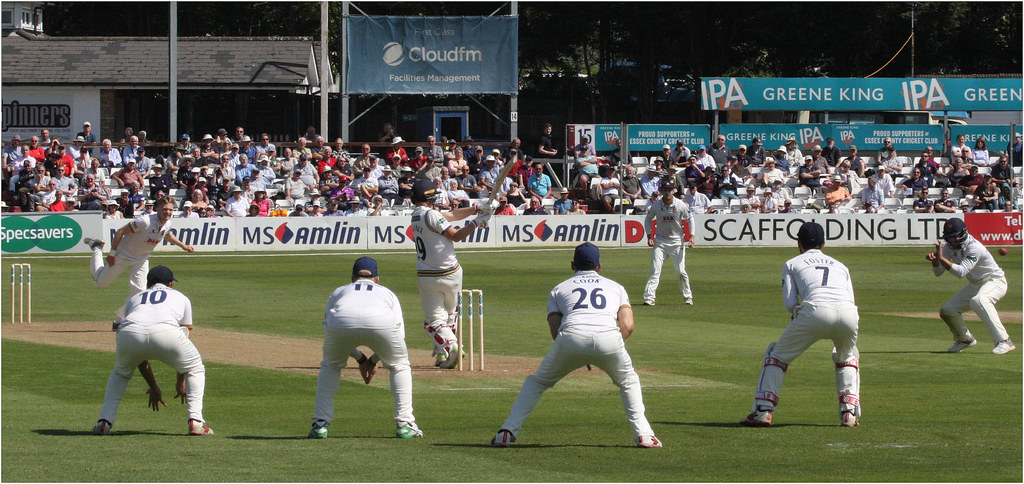
Regional Power Shifts Redefine India's Cricket Landscape: A State-by-State Report
India's cricketing prowess is undergoing a significant regional redistribution, moving beyond traditional strongholds. New centres like Gujarat and Uttar Pradesh are challenging established giants such as Mumbai and Tamil Nadu through robust infrastructure, grassroots initiatives, and professional l
Mumbai, Maharashtra: India's cricketing heartland is witnessing an unprecedented geographical churn, as new states rise to prominence, challenging the long-held dominance of traditional powerhouses like Mumbai, Chennai, and Bengaluru. This democratisation of cricket talent and infrastructure is reshaping the future of the sport, promising a more inclusive and robust national pipeline.
Key points
- Emerging Hubs Challenge Status Quo: States like Gujarat, Uttar Pradesh, and Madhya Pradesh are rapidly developing their cricketing ecosystems, directly competing with established giants such as Maharashtra and Tamil Nadu.
- Infrastructure as a Catalyst: Investment in world-class stadiums, academies, and training facilities by state associations and the BCCI is driving this decentralisation.
- Grassroots Focus Yielding Results: Enhanced talent identification programmes and local leagues are unearthing promising cricketers from smaller towns and previously underserved regions.
- Diverse National Pool: The shift is creating a broader and more diverse talent pool, potentially leading to a national team that truly reflects India's geographical and social fabric.
- BCCI's Pan-India Vision: The Board of Control for Cricket in India's concerted efforts to promote cricket in all regions, including the North-East, are proving instrumental in this transformation.
While Mumbai's iconic Wankhede Stadium and Chennai's historic Chepauk remain vital administrative and sporting hubs, the narrative of Indian cricket is expanding far beyond these metros. The rise of states like Gujarat, exemplified by the Narendra Modi Stadium in Ahmedabad, or Uttar Pradesh, with its rapidly developing facilities in Lucknow and Kanpur, signals a profound shift.
Maharashtra, with its rich legacy and three state associations, continues to be a formidable force. The Mumbai Cricket Association (MCA) has historically produced a disproportionate number of national stars. However, data from the BCCI indicates that while Mumbai still leads in registered senior players, states like Gujarat have seen a remarkable 40% increase in registered junior players over the last five years, showcasing significant grassroots penetration. "Maharashtra's strength lies in its deep-rooted club cricket structure and the sheer passion for the game," notes Mr. Ajinkya Naik, Secretary of the Mumbai Cricket Association. "We acknowledge the growth elsewhere, and it only fuels our determination to innovate and maintain our standards."
Gujarat's ascendancy is particularly striking. The Gujarat Cricket Association (GCA) has leveraged its state-of-the-art facilities and strong corporate backing to create a thriving ecosystem. "The success of the Gujarat Titans in the IPL has significantly boosted enthusiasm, but our foundations were laid long before that," stated Mr. Dhanraj Patel, President of the Gujarat Cricket Association. "We have invested heavily in district-level academies and talent scouts, ensuring no promising talent goes unnoticed, from Ahmedabad to Kutch." The state has also seen a 25% year-on-year increase in inter-district tournaments, providing crucial match practice for young cricketers.
Down South, Karnataka and Tamil Nadu remain bastions of cricketing excellence. Bengaluru's M. Chinnaswamy Stadium, home to the Karnataka State Cricket Association (KSCA), is a hub for high-performance training and sports science. The KSCA runs over 15 accredited academies across the state and boasts a consistent record in domestic competitions. Tamil Nadu, with its robust TN Premier League (TNPL) and a powerful club cricket system, continues to be a steady supplier of talent. "The TNPL has been a game-changer for our local players, giving them exposure and a professional pathway," commented Mr. R. Palani, Secretary of the Tamil Nadu Cricket Association. "Our challenge is to keep innovating while preserving the strong traditions that have served us so well."
Perhaps the most significant long-term potential lies in the populous Hindi heartland. Uttar Pradesh, once considered an underperformer given its immense population, is now making rapid strides. The Uttar Pradesh Cricket Association (UPCA) has established over 20 accredited academies and a dedicated high-performance centre in Lucknow. This focus has started to bear fruit, with a noticeable increase in UP players featuring in national age-group teams and the IPL. Similarly, Madhya Pradesh, fresh off a Ranji Trophy triumph in recent seasons, has demonstrated the power of sustained development in smaller cities like Indore and Gwalior. "The potential in states like Uttar Pradesh and Bihar is immense, it's about harnessing it with proper infrastructure and guidance," remarked legendary cricketer and astute observer, Mr. Sunil Gavaskar. "When you tap into such a large talent pool, the quality of Indian cricket can only go upwards."
The North-Eastern states, historically on the fringes of mainstream cricket, are also witnessing transformative development thanks to concerted efforts by the BCCI. With an allocation of over ₹200 crore for infrastructure development and coaching programmes in the region over the last three years, states like Assam, Meghalaya, and Nagaland are slowly but surely building their cricketing foundations. The inclusion of North-Eastern teams in domestic tournaments has provided invaluable experience and exposure.
Background
For decades, Indian cricket talent was predominantly sourced from a few metropolitan cities. Mumbai, Chennai, Kolkata, and Delhi served as the epicentres, boasting the best infrastructure, coaching, and competitive leagues. While the BCCI consistently worked towards expanding cricket's reach, the advent of the Indian Premier League (IPL) in 2008 truly accelerated the decentralisation process. The IPL not only created new cricketing heroes from diverse backgrounds but also spurred state associations to upgrade facilities and create local leagues, recognising the commercial and sporting potential of broader engagement. This push has been further amplified by successive BCCI administrations prioritising grassroots development and equitable resource distribution.
What it means
This regional shift has profound implications for Indian cricket. Firstly, it fosters healthier competition within the domestic circuit, raising overall standards. Secondly, it ensures that the national selection pool is truly diverse, drawing talent from every corner of the country, not just the traditional power centres. This geographical diversity often brings varied playing styles and temperaments, enriching the national team. Economically, the development of cricketing infrastructure and leagues in new regions generates employment and local economic activity. Most importantly, it makes cricket a more accessible and aspirational sport for millions in tier-2 and tier-3 cities, cementing its status as India's premier sport.
Reactions
The response to this evolving landscape has been largely positive. Young players from emerging states express excitement at the increased opportunities. "Earlier, we felt we had to move to a big city to make it," shared Rohan Sharma, a promising fast bowler from a small town in Madhya Pradesh. "Now, with good facilities and coaches near home, the dream feels much closer." Coaches and scouts welcome the deeper talent pool, while former players like Mr. Gavaskar praise the BCCI's strategic vision. Some traditional state associations, however, face the challenge of adapting to this new competitive environment, with a need to re-evaluate their strategies to maintain their historical influence. Fan bases in the newly emerging cricketing states are energised, turning out in large numbers for domestic matches and showing immense pride in their local teams.
What happens next
The BCCI is expected to continue its aggressive policy of infrastructure development, particularly focusing on states that still lag behind. There will be an increased emphasis on coaching education and sports science across all state associations to ensure consistent quality of development. The next phase will likely see more integrated women's cricket development programmes at the state level, mirroring the growth seen in men's cricket. Challenges remain, particularly in sustaining funding, ensuring uniform quality of coaching, and managing the logistics of a truly pan-Indian cricketing ecosystem. However, the trajectory is clear: Indian cricket is heading towards a future where excellence can emerge from anywhere, promising an even brighter era for the sport.
Source: Toofan Express News