The Uneven Pitch: India's Cricket Map Reveals Stark State-Level Disparities Amid IPL Glory
Despite the glittering success of the IPL, an in-depth look at India's cricket ecosystem reveals significant disparities in infrastructure and talent development among states, with traditional powerhouses thriving while emerging regions grapple with persistent challenges.

Mumbai, Maharashtra – As the Indian Premier League (IPL) continues to captivate millions globally, projecting an image of unparalleled cricketing prowess and financial might, a deeper examination of India's state-level cricket landscape reveals a far more complex and uneven reality. While powerhouse states like Maharashtra, Karnataka, and Tamil Nadu boast robust infrastructure and a conveyor belt of talent, many other regions, particularly in the North-East and parts of central India, are still struggling to build foundational facilities and provide equitable opportunities, creating a stark disparity in the very bedrock of Indian cricket.
Key points
- The IPL's commercial success often overshadows significant disparities in cricketing infrastructure and talent development across Indian states.
- States like Maharashtra, Karnataka, and Tamil Nadu continue to dominate in producing top-tier cricketers, benefiting from extensive academy networks and sophisticated administrative structures.
- Emerging states, especially in the North-East and some central regions, face persistent challenges related to funding, political support, and basic cricketing facilities.
- BCCI initiatives are underway to bridge these gaps, but the pace of development and equitable resource distribution remain critical concerns.
- The uneven playing field risks limiting India's talent pool and hindering the national team's long-term sustainability and diversity.
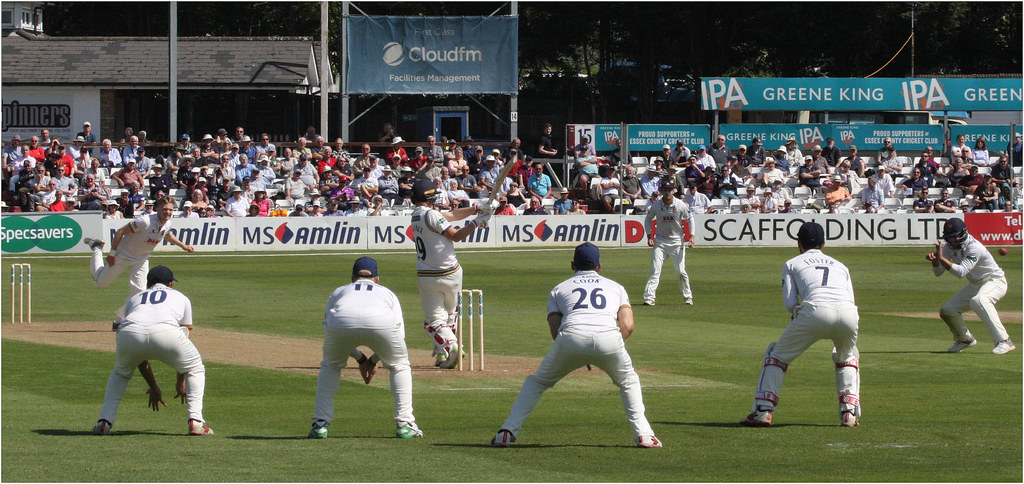
The glittering stadiums and star-studded rosters of the IPL paint a picture of an India brimming with cricketing talent and state-of-the-art facilities. However, ground realities, particularly away from the major metropolitan hubs, tell a different story. Traditional strongholds like Mumbai, with its iconic maidans and a century-old cricketing culture, continue to churn out cricketers who seamlessly transition from local leagues to national and international stages. The Mumbai Cricket Association (MCA), along with its counterparts in Bengaluru (Karnataka State Cricket Association) and Chennai (Tamil Nadu Cricket Association), possesses deeply entrenched club structures, professional academies, and dedicated coaching staff.
"The sheer volume of competitive cricket played in states like Maharashtra or Karnataka is unmatched," explains Mr. Anirban Dasgupta, a veteran cricket scout based in Kolkata. "Every gully has a budding cricketer, and every district has a functional league. This robust ecosystem, built over decades, allows talent to be identified, nurtured, and rigorously tested from a very young age. This is the pipeline that feeds both the IPL and the national team, and unfortunately, it's not uniformly distributed across the country."
Indeed, official data from the Board of Control for Cricket in India (BCCI) confirms this trend. In the last five years, over 60% of debutant players for India across all formats have hailed from just seven states: Maharashtra, Karnataka, Tamil Nadu, Delhi, Uttar Pradesh, Gujarat, and Haryana. While the North-East region has seen increased representation in domestic tournaments, the leap to international cricket remains significant.
Contrast this with states like Meghalaya, Nagaland, or even Bihar, where cricket infrastructure is still in its nascent stages. Many state associations in these regions struggle with securing consistent funding, building international-standard grounds, and establishing accredited coaching programmes. "We're doing our best with limited resources," says Mr. Rajendra Singh Chauhan, Secretary of the Uttarakhand Cricket Association. "We have passionate youngsters, but getting them access to quality turf wickets, proper coaching, and regular high-level competition is a constant battle. The costs are enormous, and while BCCI grants help, they often fall short of what's truly needed for sustainable development."
The BCCI has, in recent years, launched specific development programmes for the North-Eastern states, providing financial assistance for infrastructure and talent identification camps. Similarly, initiatives for women's cricket have gained momentum, with states like Maharashtra and Karnataka leading the charge in establishing state-level women's leagues and academies. However, progress in other states remains piecemeal, largely dependent on the enthusiasm and financial acumen of local administrators.
Background
Cricket in India has historically been administered through a federated structure, with the BCCI overseeing various state associations. For decades, the power centres of Indian cricket were concentrated in major cities, leading to the disproportionate development of facilities and talent pools in these regions. The advent of professionalism and the commercial explosion brought by the IPL in 2008 further amplified this divide. While the IPL brought unprecedented wealth to Indian cricket, much of it initially concentrated within the franchises, which are often based in states already rich in cricketing heritage. The BCCI's revenue-sharing model with state associations has aimed to distribute resources more evenly, but the historical advantage of well-established states continues to manifest in their superior infrastructure, administrative expertise, and a steady stream of talent.
What it means
The enduring state-level disparities have profound implications for the future of Indian cricket. Firstly, it creates a talent funnel that is narrower than it could be, potentially overlooking prodigious cricketers from underserved regions. This could limit the diversity and depth of the national talent pool, making India overly reliant on a few traditional supply lines. Secondly, it entrenches a cycle where established states continue to thrive, attracting more resources and opportunities, while struggling states find it difficult to break out of their developmental phase. Thirdly, it raises questions about equitable opportunity and regional representation within the broader cricketing fraternity, especially as cricket aims to expand its reach and appeal across all corners of the nation.
Reactions
Reactions to these disparities are mixed. State associations from traditional powerhouses often highlight their robust systems and consistent performance as a testament to effective management and long-term vision. "Our consistent output of national and IPL players isn't accidental," states Mr. Rohan Jhaveri, Honorary Secretary of the Gujarat Cricket Association. "It's the result of decades of investment in grassroots, top-tier coaching, and a competitive league structure that challenges players at every level." Conversely, officials from developing states frequently call for increased central support and more tailored development programmes. "We need sustained investment, not just one-off grants," argues Ms. Preeti Sharma, a former cricketer and current administrator with the Himachal Pradesh Cricket Association. "Building a cricketing culture takes time, patience, and resources for everything from junior kits to full-time physios." Public sentiment often reflects a desire for more equitable opportunities, with fans from smaller states keen to see their local heroes get a fair shot at national recognition.
What happens next
The BCCI is acutely aware of the existing disparities and has outlined several strategies to address them. These include increased financial allocations for infrastructure development in emerging states, enhanced coaching programmes, and special talent identification initiatives in remote areas. The upcoming BCCI Annual General Meeting is expected to discuss further measures, including potential modifications to the domestic league structure to ensure more competitive exposure for players from less-developed states. Furthermore, the burgeoning interest in women's cricket and the Women's Premier League (WPL) could act as a catalyst for growth in new regions, provided state associations receive adequate support to build women-specific infrastructure. The long-term vision involves transforming India into a true cricketing superpower, where talent can flourish irrespective of geographical location, ensuring that the 'uneven pitch' eventually becomes a level playing field for every aspiring cricketer.
Source: Toofan Express News